News Packages | March 27, 2026
More Than a Song: Building Community Through Neurodiverse Voices
SYRACUSE, N.Y. (NCC News) — SYRACUSE, N.Y. (NCC News) — A Syracuse singing group is giving Neurodiverse individuals a space to build confidence by finding their voice in a community that celebrates every mind.
Through the Neurodiverse Minds 10-week program, led by Singing Solutions, participants use breath, movement and music to create harmony. Their training will culminate in a public performance on Friday, April 24 at the Nancy Cantor Warehouse in Downtown Syracuse.
The program focuses on body awareness and vocal expression as tools for emotional regulation.
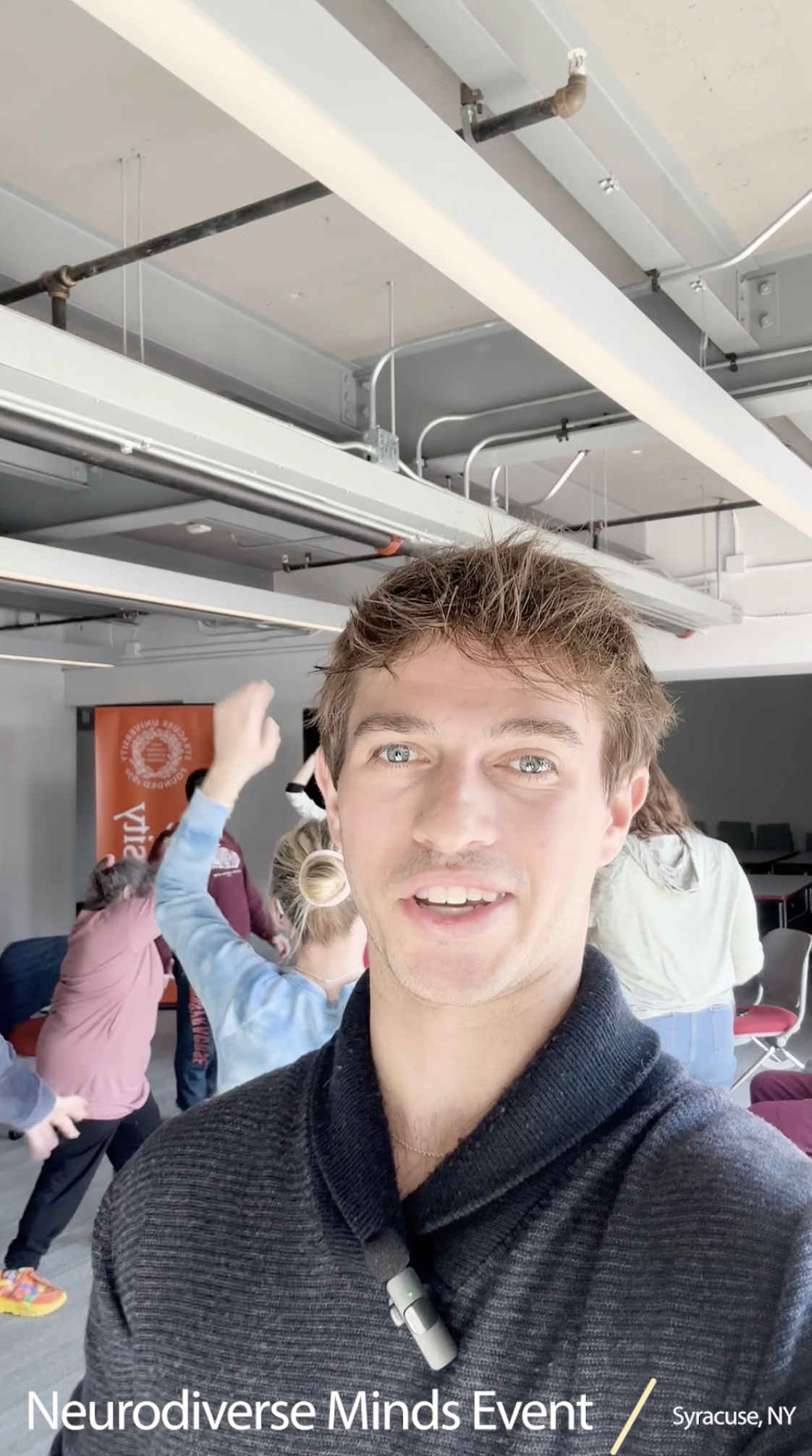
Singing Solutions founder Kathy Fathers said the focus is on fostering a sense of belonging through shared experience, emphasizing accessibility and community over traditional performance standards.
“The process of the 10 weeks is fun and there’s growth to it,” said Singing Solutions founder Kathy Fathers. “And there’s friendship, camaraderie and real community.”
Participants rehearse for an hour every Friday, learning songs together before showcasing their progress for a public audience at the end of the program.
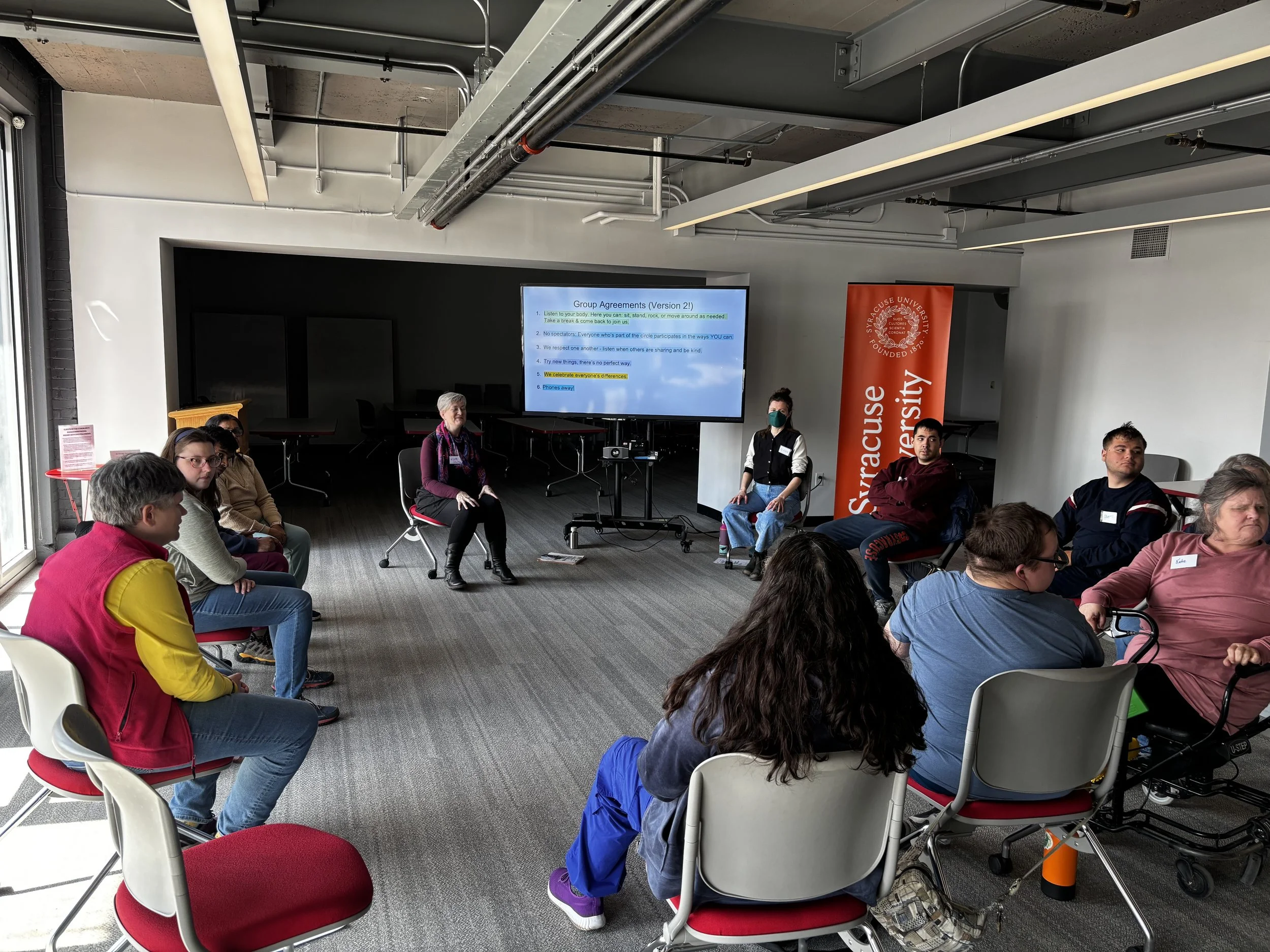
Movement is a key part of the experience, helping participants connect emotion with expression.
“There’s a lot like, ‘Okay I’m going to move in some way that helps me get out this emotion,’” said Singing Solutions singing leader Alison Mullan-Stout. “And that actually works for folks across the board whether they’re Neurodiverse or Neurotypical.”
According to the Child Mind Institute, Neurodiversity is a term used to describe the natural variation in how people’s brains function, learn, and process information. It includes conditions such as autism spectrum disorder, attention-deficit/hyperactivity disorder and dyslexia, among others.
Between rehearsals and preparation for the final showcase, the group has created a sense of excitement and routine.
“I am always looking forward to this,” said Darius, a longtime member of Neurodiverse Minds. “I love singing!”
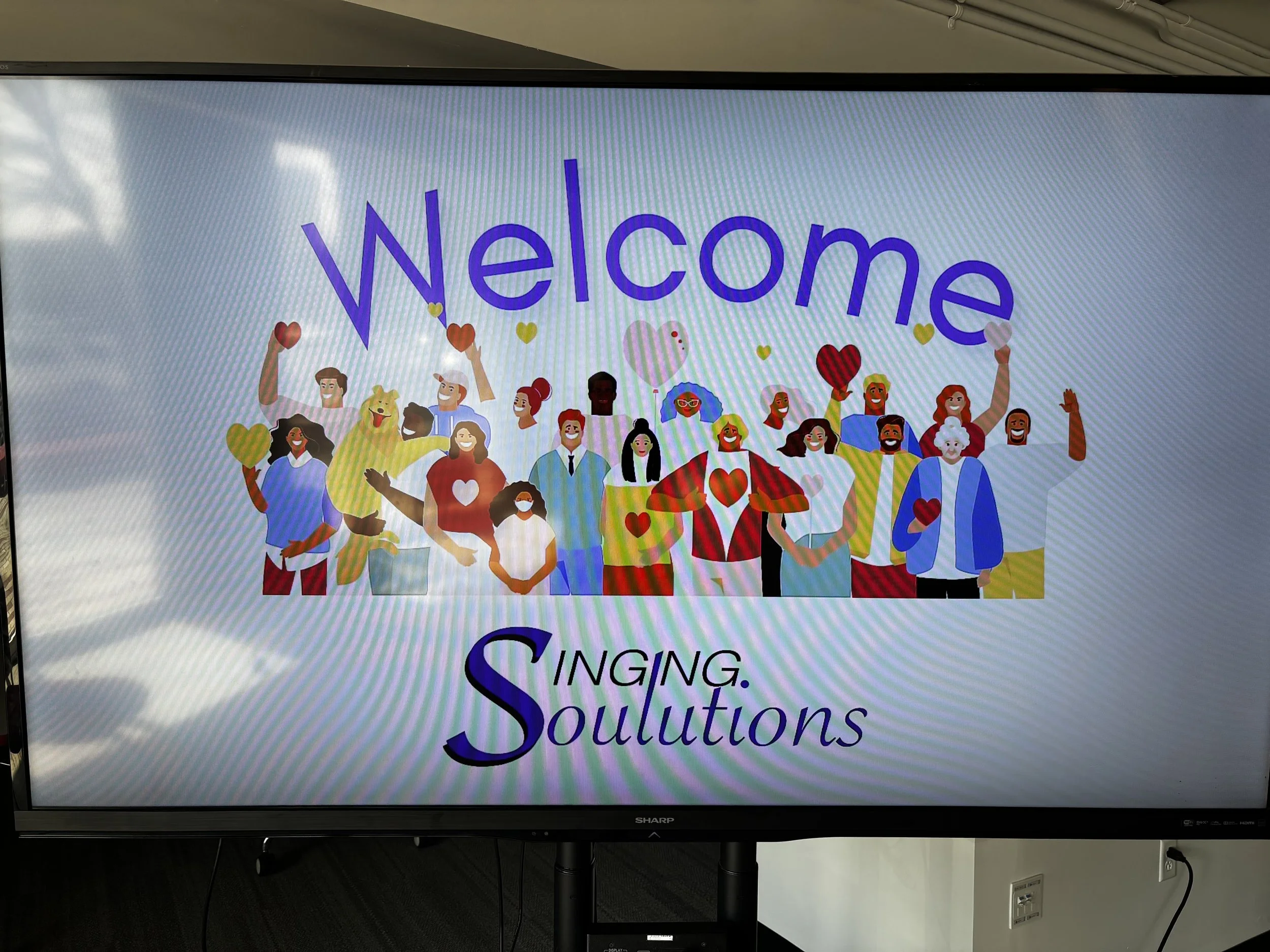
Neurodiverse Minds emphasizes that people’s differences are not deficits, but part of normal human diversity, with unique strengths as well as challenges.
Another member of the group, who is deaf and communicates through sign language and typed responses, shared their experience of attending the workshops each week.
“I am having fun and singing with actions in the class,” said Sujit. “I am making connections and regulating my body.”
Advocates say recognizing Neurodiversity can help reduce stigma and encourage more inclusive environments in schools, workplaces and community programs. In settings like music and the arts, that often means creating flexible, supportive spaces where people can participate in ways that work best for them.
Fathers said the program is designed to support both health and self-expression.
“Singing Solutions is about singing for health and wellness in small groups,” said Fathers. “And we focused it on perspectives and health needs for people.”